


 Loading...
In endocrinology, patients rarely use clinical terms like “hypoglycemia” or “hyperthyroidism” to describe their ailments. Instead, they rely on experiential language—everyday sensory descriptions of how they feel. The interpreter’s vital role is to render these descriptions accurately and completely, ensuring the clinician can evaluate the delicate balance of the hormonal system without any loss or distortion of meaning.
- Vague Symptoms vs. Specific Hormonal Shifts: A patient might say, “I feel like my heart is constantly thumping and I can’t stop shaking.” If an interpreter simply says “the patient is anxious,” the doctor may miss key clinical indicators for palpitations and tremors, which are essential for diagnosing an overactive thyroid.
- Atypical Presentation of Blood Sugar: A patient experiencing low blood sugar might report feeling “jittery, sweaty, and confused.” An interpreter must convey these exact descriptors—such as diaphoresis and altered mental status—rather than summarizing it as “feeling unwell”. This allows the physician to evaluate the symptoms as potential signs of hypoglycemia.
- Visual and Physical Markers: If a patient describes an “abnormal lump in my neck,” the interpreter should report this exact observation. This provides a specific clinical marker that may indicate a goiter or thyroid enlargement, which the physician must assess without the interpreter assigning a cause.
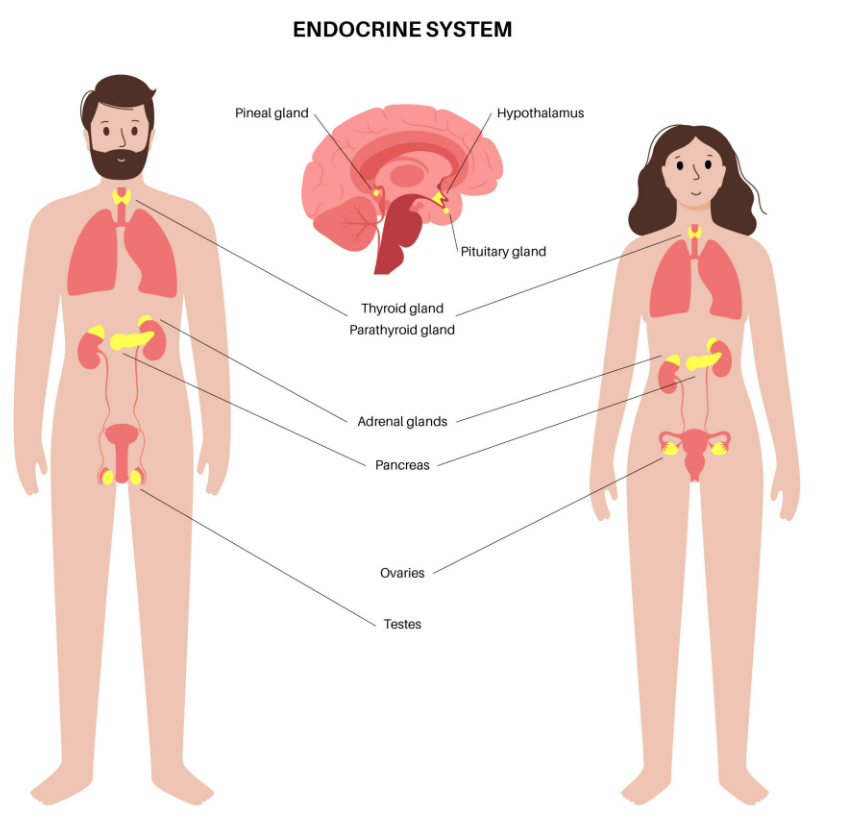
Preserving Meaning Without Assumptions
Faithfully conveying a patient’s exact description—without adding labels or making assumptions about causes—is essential for diagnostic integrity.
- Descriptive Accuracy over Medical Labels: When a patient says, “I am thirsty all the time and going to the bathroom every hour,” reporting it as “excessive thirst and frequent urination” preserves the patient’s observation9999. This allows the doctor to investigate whether the cause is Diabetes Mellitus or the much rarer Diabetes Insipidus.
- Subjective Scaling: If a patient reports “extreme lethargy” versus just “being tired,” the interpreter must capture that intensity. In endocrinology, the severity of fatigue can distinguish a minor deficiency from a serious condition like Addison’s disease.
Providing only a partial summary or a simplified version of a patient’s description can lead to treatment approaches that are not indicated. For example, if an interpreter omits specific details about a patient’s “weight gain despite not eating much,” the clinician may miss a sign of a metabolic disorder.
By accurately rendering the patient’s unique way of describing their condition—without interpretation or substitution—the interpreter ensures that the physician receives the full information needed to apply their clinical judgment. In the world of hormones, where tiny imbalances cause major symptoms, every specific word matters.


Leave Your Comments Below