
 (4 votes, average: 4.00 out of 5)
 Loading...
 One of the most difficult tasks for translators all around the world isn’t translating documents, spreadsheets, PowerPoint, and other items of that sort; it’s actually translating books, novels, and other forms of literature. The reason a lot of translators consider this type of work to be harder is due to the addition of feelings, tones, or emotions that you won’t find in a business type document.
Antonina W. Bouis is one of the best in this business, a renowned translator of around 50 books from Russian into English. She says many readers don’t fully appreciate the art of translation; “When you translate a book, you basically “write” a book. Of course, there’s an outline you’re supposed to stick to – to be forced to remain within the confines of the given project. Also, every author has to sound different; they can’t all sound like Boius.”
So which books on your bookshelf have been translated from another language into English and vice versa?
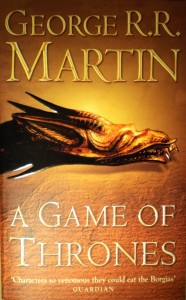
Some examples are the epic-fantasy novels in which the popular Game of Thrones TV series was inspired by; A Song of Ice and Fire, which have been published into over 20 languages, including Japanese, German and Swedish.
Article: http://rbth.ru/articles/2012/07/23/telling_russian_stories_in_english_16573.html
 (3 votes, average: 4.67 out of 5)
 In a previous blog, we explained various means of delivering Whisper Interpretation. In fact, all simultaneous interpretation involves
  A lot of people don’t necessarily understand how many services a language company like
  Last week we shared a blog about the JAWS computer software for the blind. This program is a type of localization software that essentially transforms seeing people’s communication into something the blind or hard-of-sight can also take part in. This idea of changing parts of the web from one form of language to another is not uncommon; rather it is a very useful and popular tool.
 In Whisper Interpretation, the interpreter whispers the interpretation into the client’s ear. The goal of Whisper Interpretation is always the same – to communicate the meaning to the client without disrupting the presentation, show, or conference.
 Monterey Language Services is thrilled that The New York Times is taking part of the global phenomenon and creating an online localized Chinese version of their paper. Translation is an excellent tool to expand business. Companies worldwide are increasingly aware of how
  Most people automatically affiliate the word ‘Jaws’ with the man eating shark from the movies that chased down boats and water skiers alike. However, the JAWS referred to in this article actually helps people.
 The blog team here at
  With video conferencing through Monterey Language Services, you experience high-definition video and high quality audio in a comfortable environment.